MICTLALBA
MICTlALBA
Death’s Dominion
DESCRIPTION:
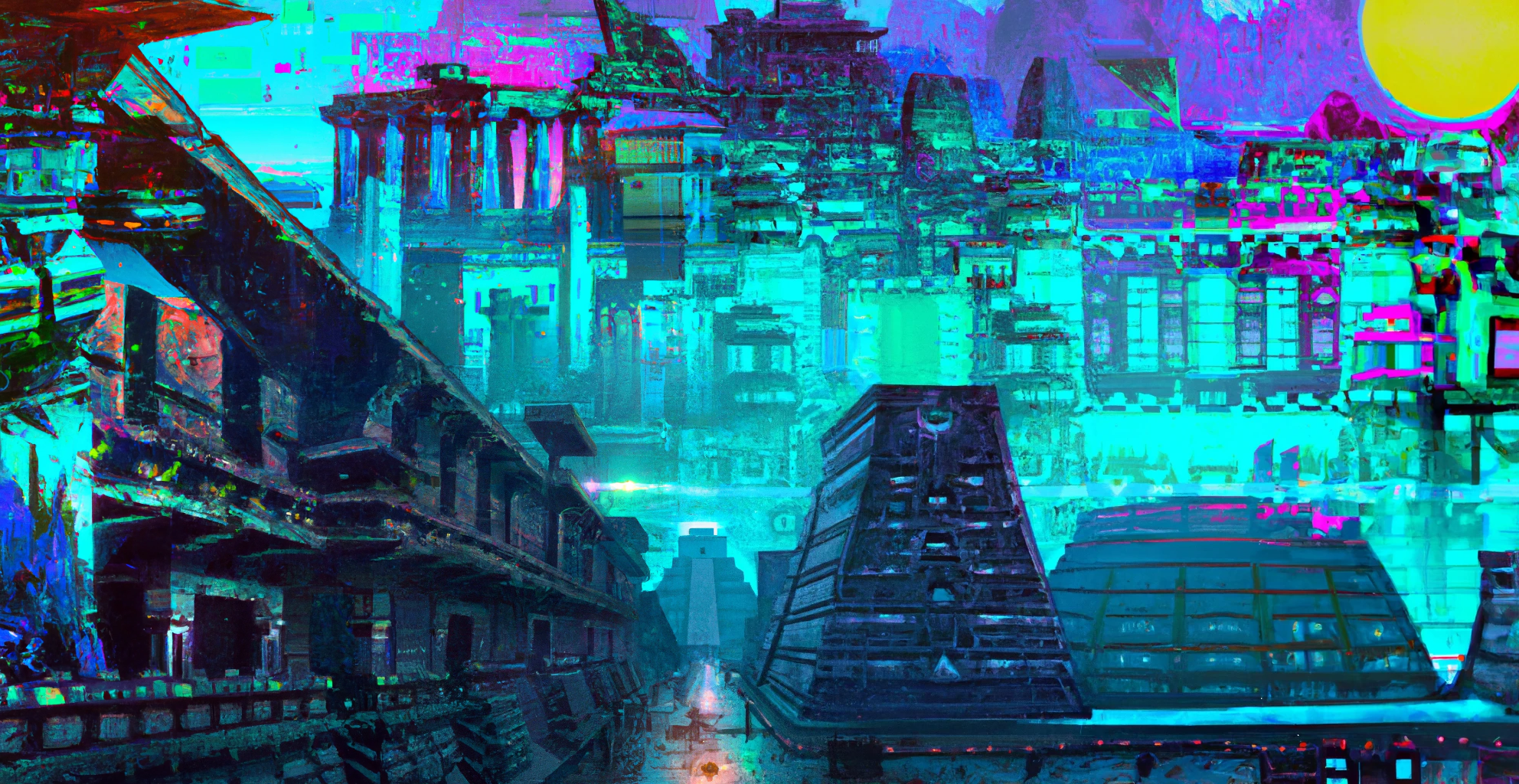
Mictlalba, the “City of the Underworld,” is a vast subterranean refuge created by the displaced tribes of Mesoamerica who sought to escape the Spanish onslaught and their local enemies. Here, they merged their deep-rooted knowledge of magic and survival with emergent technologies, crafting a unique society that thrives on the delicate interplay between life and death, light and shadow. Mictlalba’s people, known as the Mictlalbans, are a fusion of Aztecs, Maya, Tlaxcalans, Totonacs, Tetzcoco, Purepecha, Huastec, and other allied groups that banded together during the Inquisition and conquistador campaigns, forging an identity rooted in resistance and self-preservation.
THE UNDEAD LAW
In Mictlalba, the high council of warrior priests create and enforce laws pertaining to the undead – to kill them if within city limits. Usually if they are spotted in the region they are gathered and redirected, but with harsher environmental conditions and monstrous perils journeying back and forth, these escort missions are continuously delayed. Now with the growing presence of undead in the region, the law has been amended to kill all undead on sight.
The city is closed at night and patrolled by the Xolotl – death guards dedicated to protecting the city and honoring the dead, whenever possible…sometimes things happen.
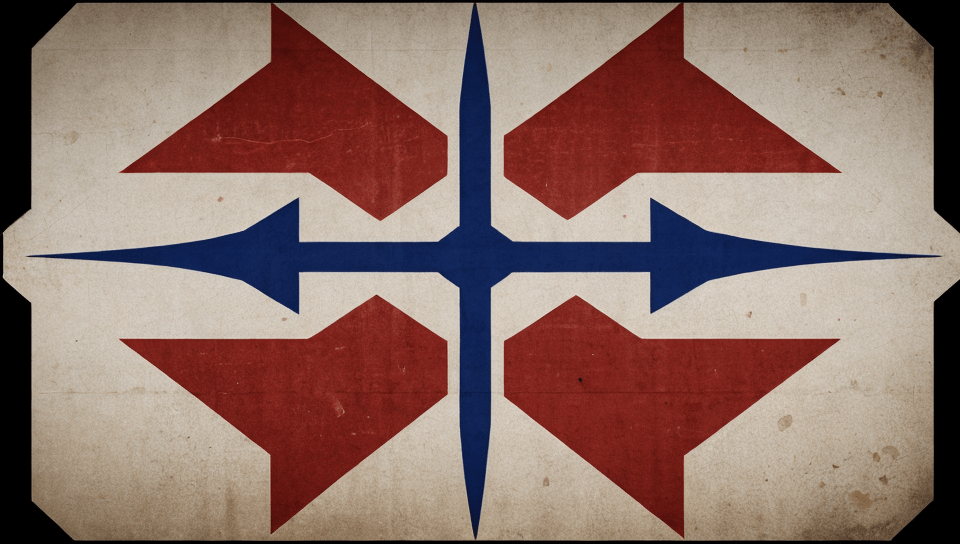
Flag
Capital:
Language(s): all
Demonyn(s):
Population: ?
History and Formation
Origin of the Mictlalbans
Mictlalba’s origins trace back to a critical period during the Spanish Inquisition, which saw the Aztec Empire’s fall and the subsequent rise of the Spanish Empire across the Americas. While the Aztecs were a primary target, Spanish forces capitalized on regional conflicts, pitting allied groups like the Tlaxcalans, Totonacs, Tetzcoco, and Purepecha against the empire. Each of these groups had deep-seated motivations—longstanding rivalries, political oppression, and survival. Yet, as the Spanish grip tightened, these diverse allies recognized a common plight and retreated to a valley whose network of tunnels led to a colossal, underground jungle and cavern system that would become Mictlalba.
The Great Descent
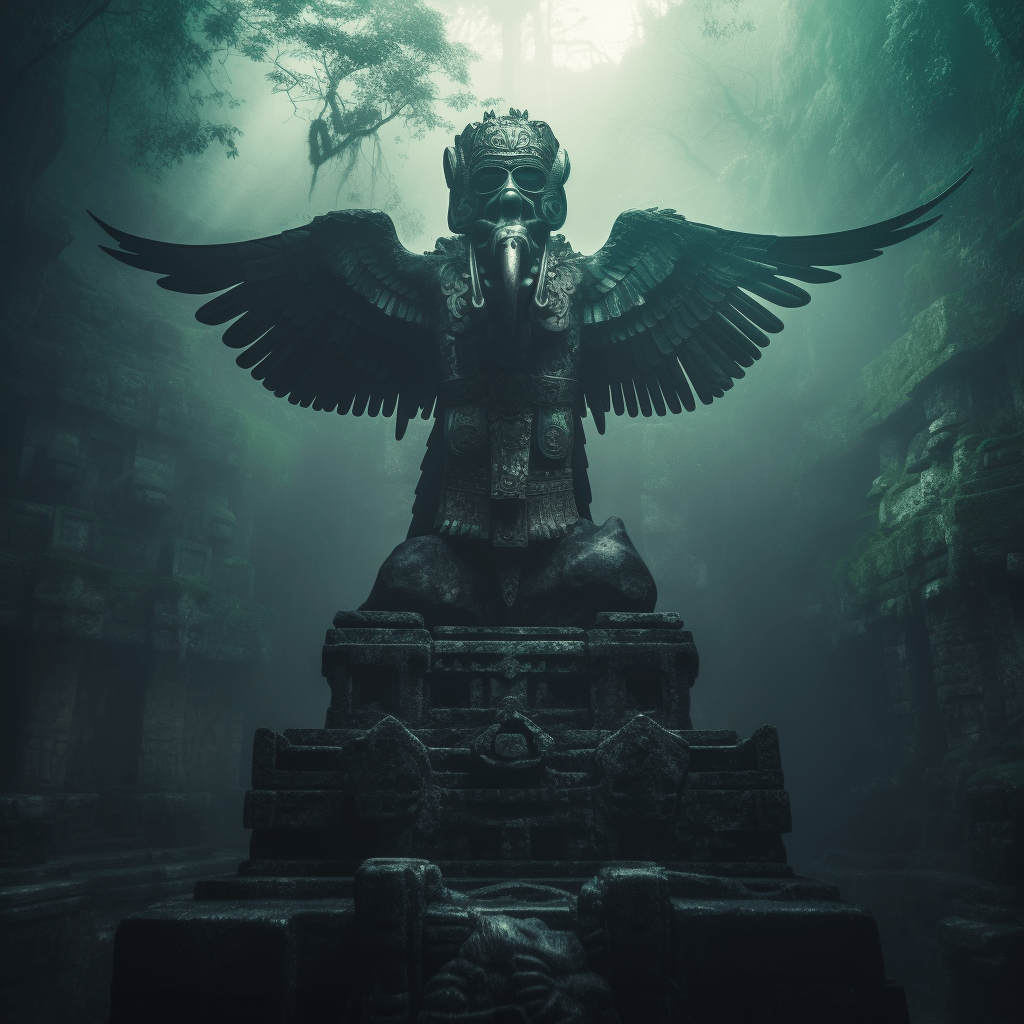
For the Mictlalbans, entering this underground world was a journey both physical and spiritual. Legends say that when they journeyed into the depths, they encountered the spirit realms of Mictlan and Xibalba, forging spiritual pacts with ancient deities and guardians of the underworld. Some even claim they met with deities like Mictlantecuhtli, god of the dead, and Ah Puch, lord of Xibalba, who granted them spiritual guidance in exchange for lifelong reverence and ritual. This descent marked their transformation into a people not merely hiding but transcending death, integrating its mysteries into their way of life.
Geography and Environment
Landscape and Climate
Mictlalba is hidden within an intricate network of tunnels and caverns, unfolding into a sprawling, semi-tropical biome filled with dense jungle flora, colossal trees, and wild rivers. The climate is diverse, shifting between humid mist and cool winds that seep through cracks in the stone ceiling. Hidden grottos, lakes, and flooded zones create a dynamic landscape teeming with both native and exotic wildlife, some of which have adapted over centuries to the unique conditions of perpetual twilight.
Biodiversity and Mystical Ecosystems
The underground biome harbors strange and wondrous creatures, many of which have never been seen on the surface. Bioluminescent plants light the pathways, their glow revered as ancestral blessings. Dangerous creatures, both animal and spirit, inhabit the shadows, adding an element of constant risk to exploration. Mictlalbans are aware that not all life here has been cataloged, with each new discovery treated with reverence and cautious curiosity. Spirits of ancient guardians are rumored to inhabit the depths, watching over the hidden realm and sometimes merging with the physical forms of plants and animals.
Government and Political Structure
Militaristic Council of the Teoyaotlan
Mictlalba is governed by a council known as the Teoyaotlan (“Children of the Gods”), consisting of warrior-priests from various cultural backgrounds united by oaths to protect Mictlalba. Each member represents a different group or skill set, from the Aztec Jaguar and Eagle Warriors to the Maya Aj K’in (shamans of the sun) and the Totonac Hichiku (sky shamans). This council wields both spiritual influence and military prowess, their decisions guided by consultation with ancestral spirits and ritual divination.
Isolationist Stance with Strategic Alliances
The Mictlalban government values its isolation, limiting contact with the outside world to occasional trade and alliances with select realms sympathetic to their plight. However, they actively maintain intelligence networks through allies among the Tlaxcalans and Totonacs, keeping tabs on the shifting powers above ground. This network is bolstered by the Mictlalbans’ deep respect for Nahualismo—spiritual shapeshifting—used both as a reconnaissance tool and as a revered form of cultural expression.
Economy and Resource Management
Self-Sustaining Economy with Arcane Trade
The Mictlalban economy is a balance of ancient agrarian practices and arcane technology. Crops are grown in underground terraces, irrigated by aquifers and mystical rains summoned by ritual. They cultivate unique bioluminescent plants, rare herbs with medicinal and mystical properties, and stones used for charms and talismans. Trade is limited and highly strategic, with the Mictlalbans exporting rare artifacts, healing herbs, and mystical minerals to select buyers.
Arcane and Technological Blending
Mictlalbans have merged their magic with rudimentary technology, forming enchanted tools and weapons capable of channeling natural and arcane energies. They are known to enchant traditional weapons with protective spells, creating armor that repels mystical energies and forging tools that can harness the power of natural elements such as fire, water, and wind.
Infrastructure and Architectural Design
Construction in Harmony with the Underworld
Mictlalban architecture honors the earth and its spirit guardians, with buildings crafted from stone, obsidian, and bioluminescent materials to maintain natural harmony. Structures are intricately carved with glyphs and symbols invoking protection and ancestral guidance. Some buildings are grown rather than built, using enchanted plants that weave around pillars and walls to form living architecture. These structures are fortified with wards and traps to repel intruders, with defensive glyphs and wards to disorient or incapacitate anyone who ventures too far uninvited.
Fortifications and Defensive Systems
Given their militaristic and isolationist stance, Mictlalba is well fortified with natural choke points, strategically placed traps, and enchanted barriers. Spirit-bound warriors, often depicted as apparitions with ceremonial weapons, patrol the borders, acting as spectral guardians. Additionally, the Nahual, or shape-shifters, are key protectors, able to blend into the environment and patrol unseen, adding an extra layer of security and mystery to Mictlalba’s defenses.
Demographics and Cultural Syncretism
Population Diversity
The Mictlalbans are a blend of various Mesoamerican groups, each bringing their unique heritage, knowledge, and traditions. Their alliance includes Aztec, Maya, Tlaxcalan, Totonac, Tetzcoco, Purepecha, Huastec, and even smaller groups who found sanctuary underground. Each group contributes to a collective cultural identity that is centered around survival, transformation, and resistance.
Cultural Traditions and Rituals
Rituals in Mictlalba center on life, death, and rebirth, honoring the spiritual journey between the two worlds. The Nahualismo rituals allow individuals to connect with animal spirits, donning masks and shifting their forms in sacred ceremonies that celebrate the cycle of life and death. Annual ceremonies include offerings to both Mictlantecuhtli and Ah Puch, deities of the underworld, to thank them for protection and seek their blessing in battles against hostile forces.
The Festival of Shadows and Dawn
One of the most sacred festivals is the Festival of Shadows and Dawn, celebrating the Mictlalbans’ journey into the underworld and their emergence as reapers of their realm. The festival includes ritual dances, storytelling, and trials where warriors prove their strength and endurance in tests of survival, paying homage to their ancestors’ struggles. During this time, initiates undergo rites of passage to earn their spirit animal forms, a symbol of their unity with the realm.
Religion and Beliefs
Reverence for Life and Death
Mictlalbans view life and death as two sides of the same coin, believing their journey to the underworld granted them an understanding of both. Their pantheon includes deities like Mictlantecuhtli and Ah Puch, as well as nature spirits and animal guardians who protect their cavernous home. They practice rites to communicate with these beings, often summoning them through dances, songs, and glyphs that channel spiritual energy.
Divination and Spiritual Guidance
The Mictlalbans are adept at reading signs from the spirit world, relying on divination to guide their decisions. Spiritual guides, or Nahual Scribes, interpret omens, dreams, and visions to navigate political choices, resource management, and impending threats. This spiritual framework ensures that Mictlalba’s connection to the mystical remains strong and ever-present in daily life.
 oldenpunk.io